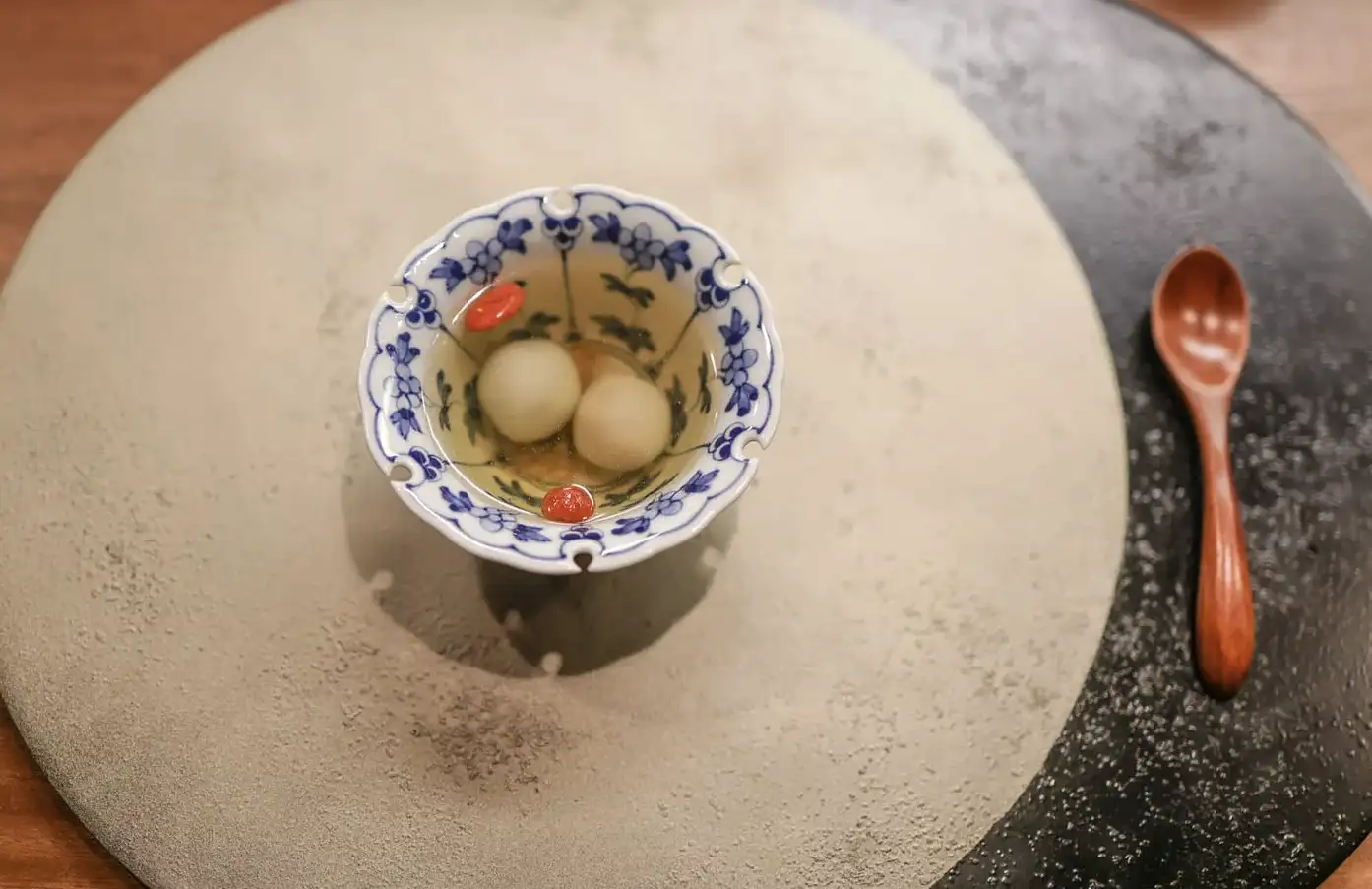
Last fall at this exact time, attending the magical, unreal, intimate Ein Prosit food and drink festival in the small Friulian city of Udine, I had the privilege of a quick day trip about 45 minutes drive across the border from Northern Italy into Slovenia. I’ve long been a lover of Slovenian wines — and of Eastern European food, wine and spirits in general — my whole adult life.
I’ve been equally privileged to attend a few special dinners in the world where Ana Roš cooked, named The World’s Best Female Chef in 2017 by The 50 (where I am W. North America Academy Chair). So for a good decade, I’ve dreamed of visiting her three-Michelin, 50 Best (since 2017) restaurant Hiša Franko in the village of Kobarid in western Slovenia. It was the first Slovenian restaurant to earn three Michelin stars in 2023 and Roš is one of the few women in the world helming a restaurant at that level (sadly: there should be far more women).
The Setting & History, Abbreviated
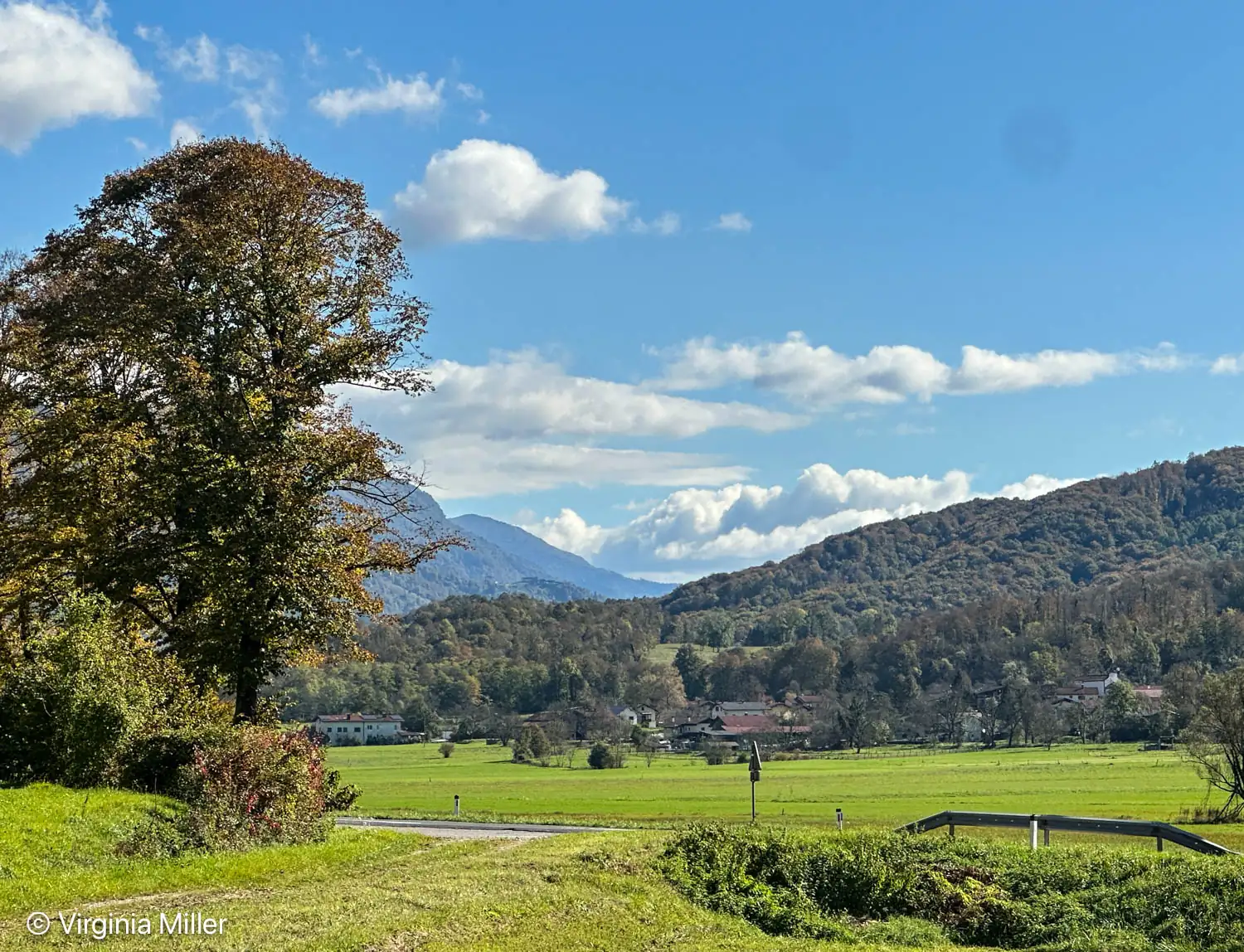
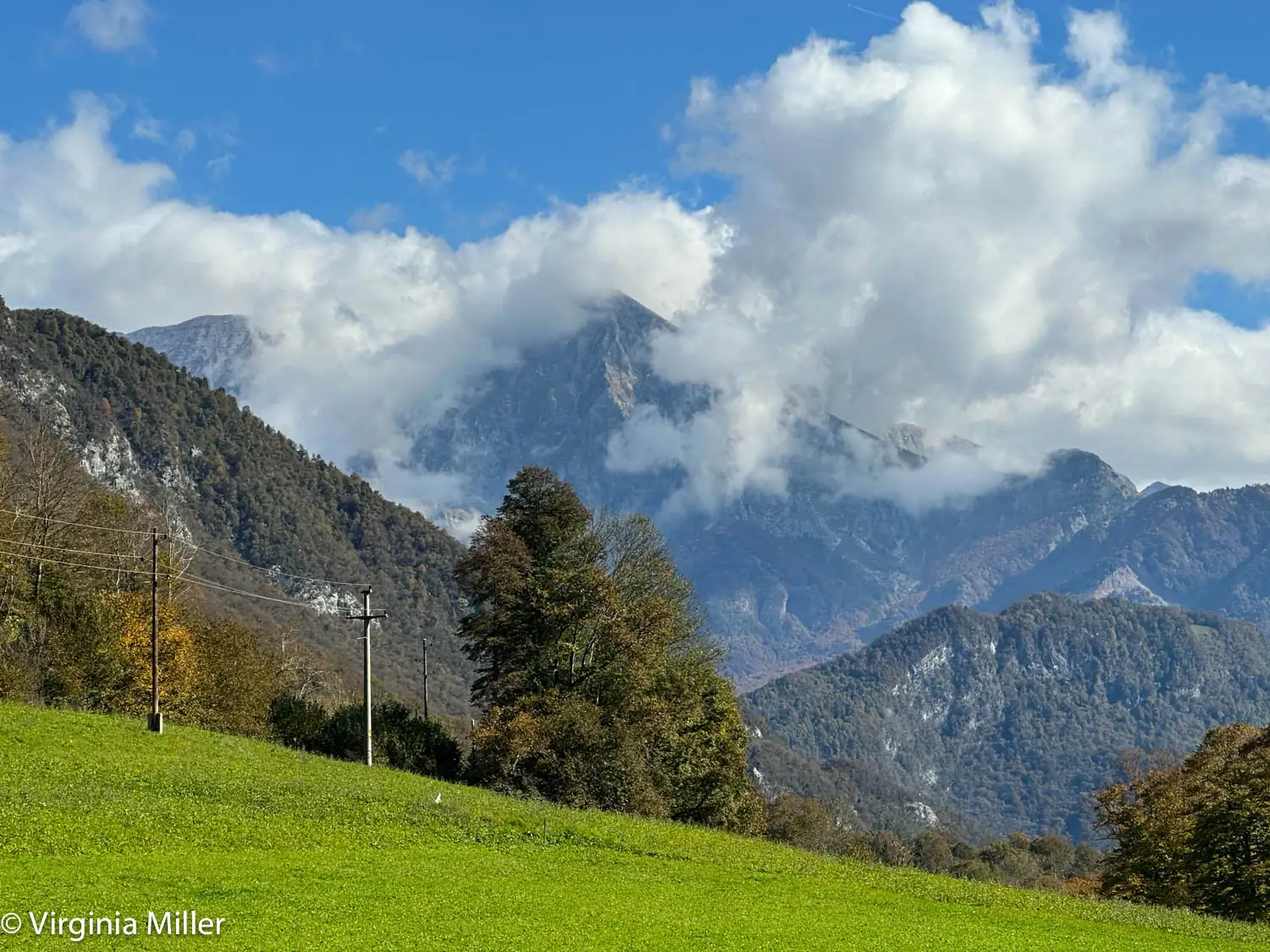
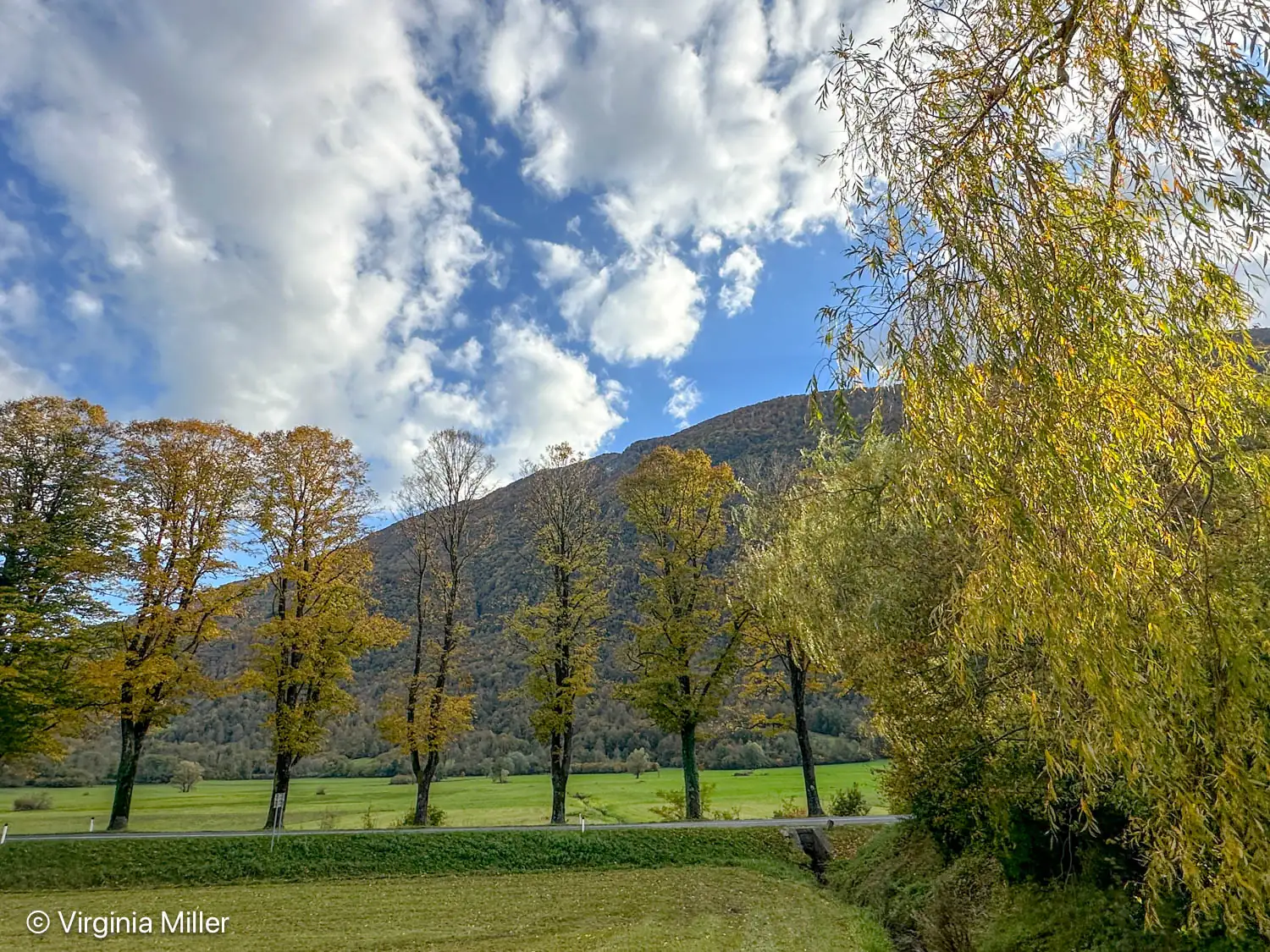
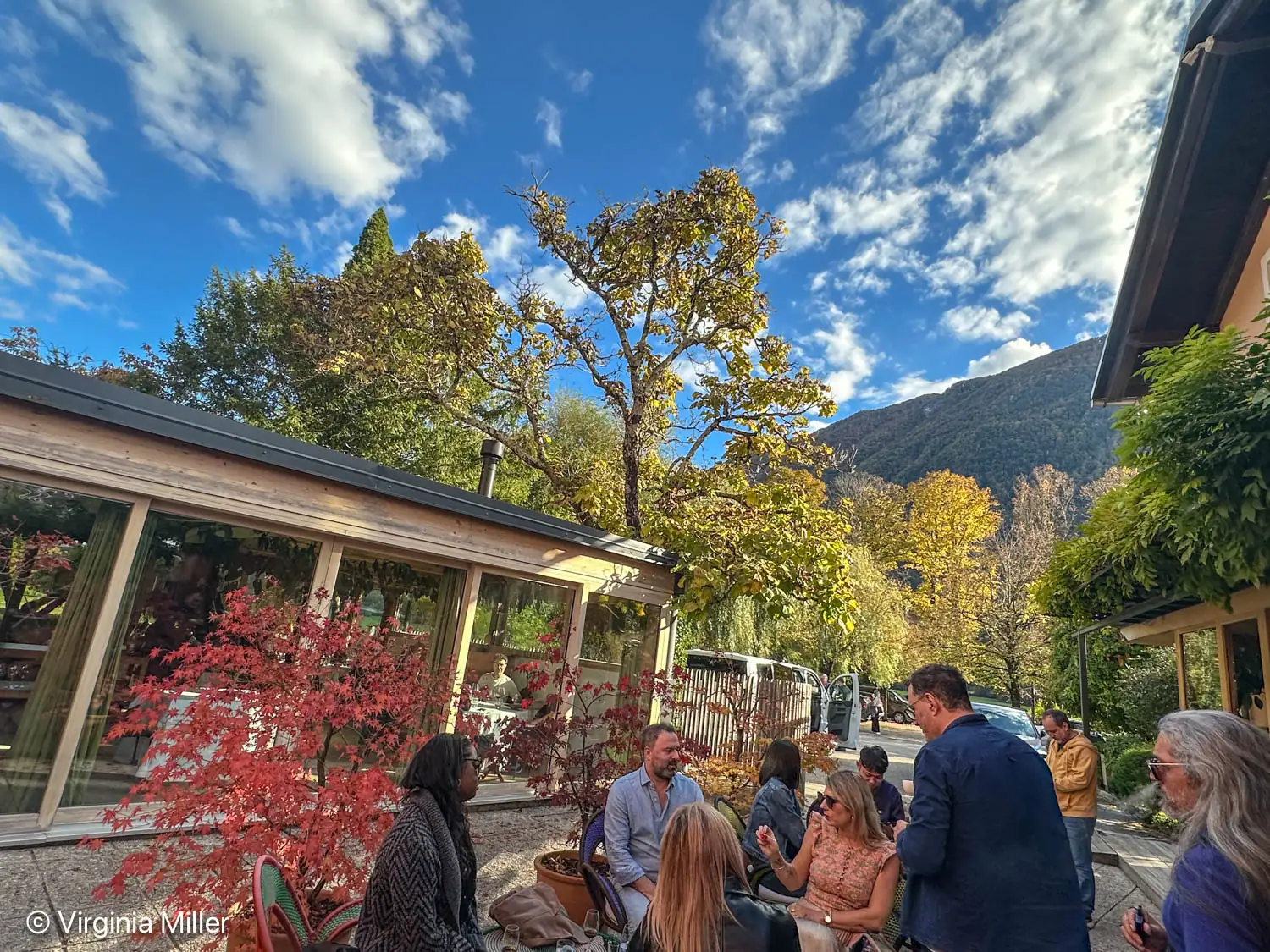
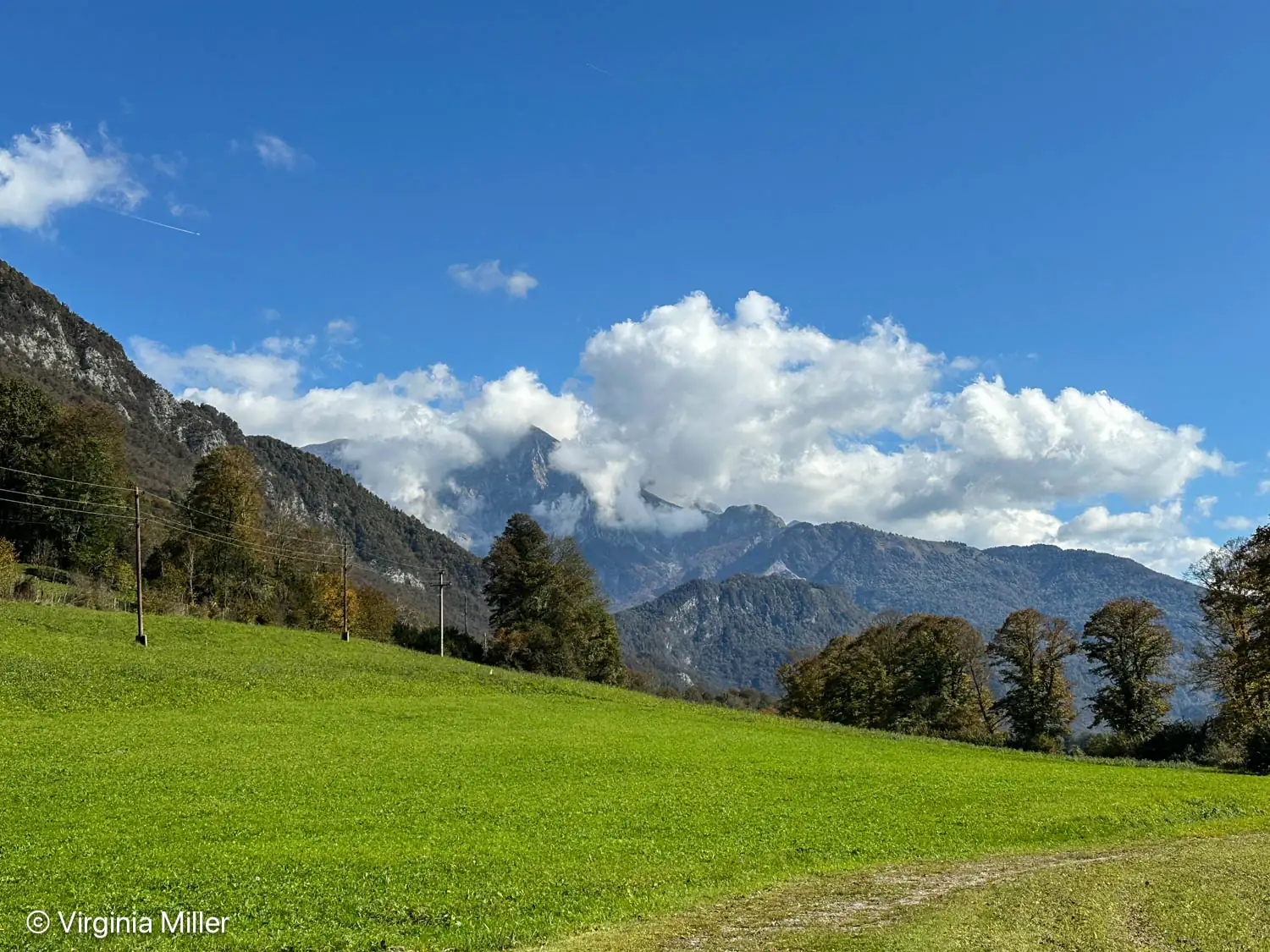
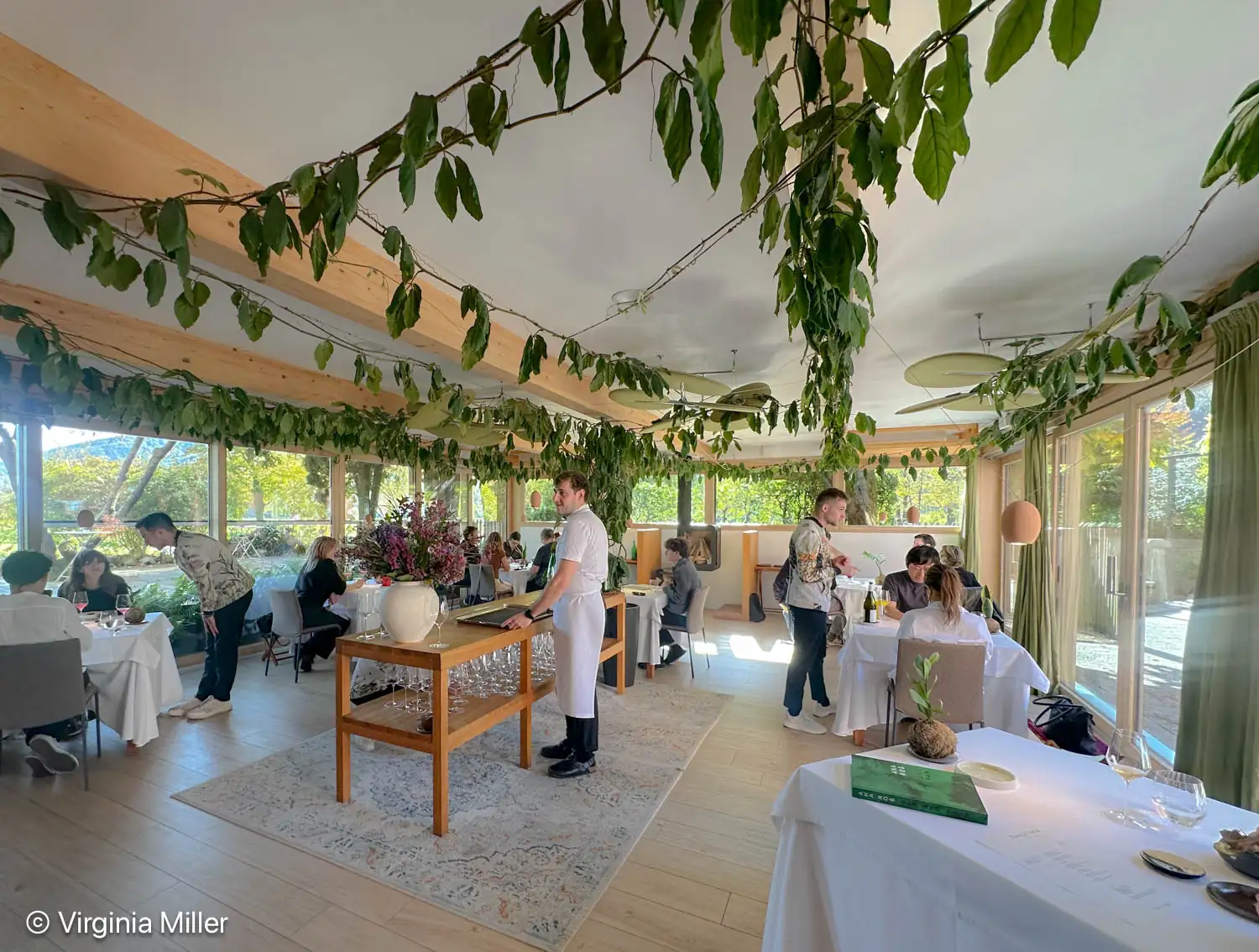
Hiša Franko’s countryside setting is as glorious as neighboring Austria and Italy’s stunning Dolomites region, with rolling green meadows, shimmering forests and dramatic, stately mountains. It was perfect October weather on my visit, mild and crisp, sunny with an invigorating breeze. The extensive land the restaurant and guest house sits on provides many herbs and ingredients, in line with Ros’ seasonal, farm-to-table approach sourcing from the surrounding Soča Valley where she works with local shepherds, cheesemakers, hunters, fishermen and foragers.
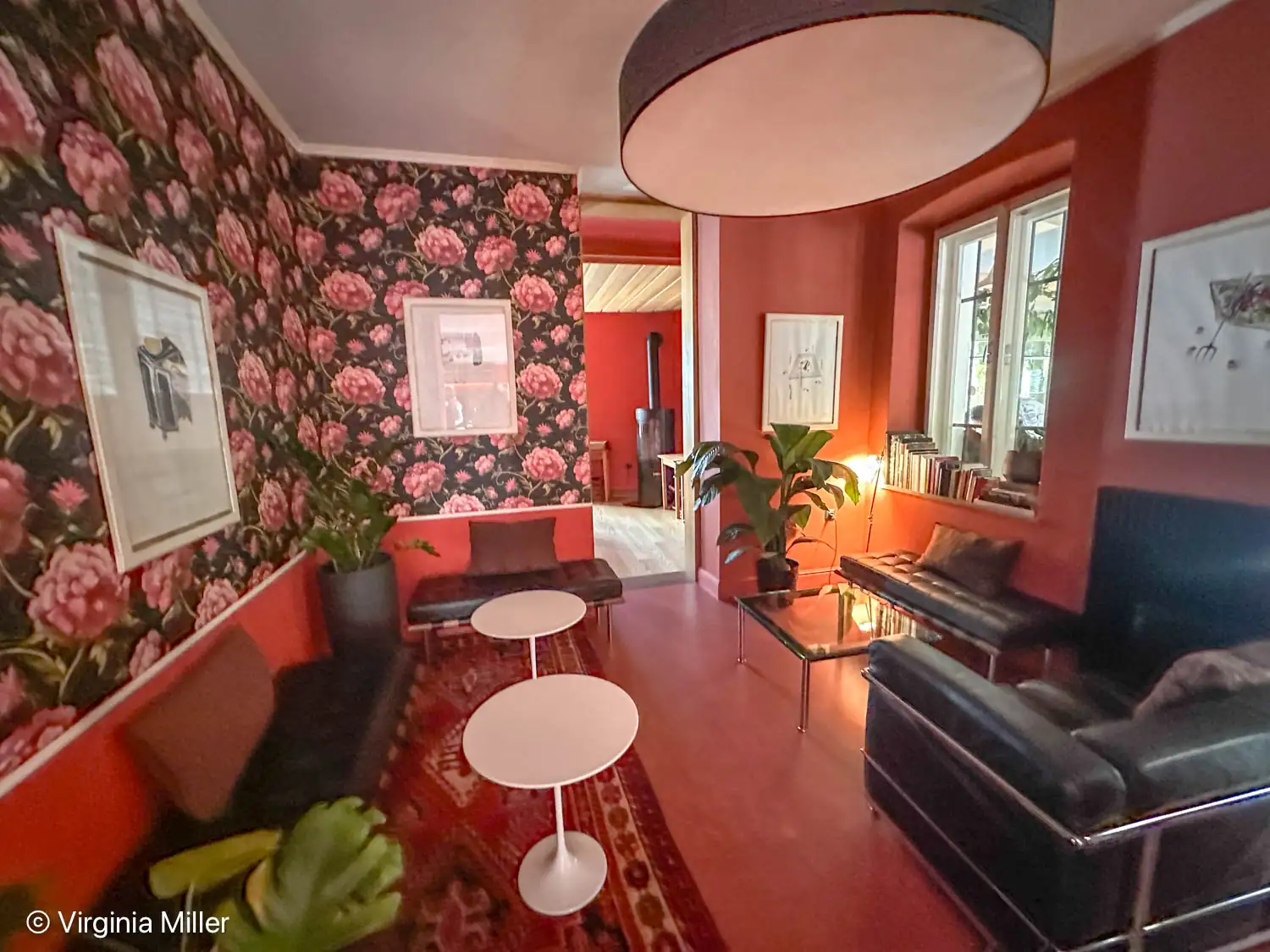
Housed in an 1860 building that has operated as everything from farmhouse to a World War I hospital before being abandoned, the current design varies room to room, from sunny to seductive, modern but cozy. Since the 1970s, this has been a restaurant and guest house owned by Franko Kramar, leading to the name Hiša Franko (essentially “House of Franko”). Franko’s son Valter started managing the property in 2000 when he and Roš were formerly partners. She took over after the head chef left. With no formal culinary training, she has grown the restaurant to its impressive global status and accolades, as Valter Kramar has developed the brilliant, locally-focused wine program.
Was It Worth the Hype?
So was it worth the hype? I wondered if maybe I missed the restaurant’s heyday, since its Chef’s Table episode in 2016 and the endless stream of accolades since. While I certainly expected good things, tasting a couple of her courses here and there in the world did not prepare me for the soulfulness… or the evolution of her cooking even since I’d last tried her dishes in other countries.
As someone who dines at over 600 restaurants a year for essentially 25 years, that pushes me past 15,000 restaurants not even counting prior years of life. Hiša Franko is one of the very best. A meal here was like a breath of fresh air as fresh as the alpine meadows and mountains cradling the magical property. There is a sense of place, terroir, season and earth here. This was confirmed by colleagues, especially European friends who have dined here multiple times over the years, telling me they thought this was maybe her best menu ever.
A Deepening Evolution
The most dedicated people develop and mature in vibrant ways over the decades and this would be a prime case in point of such a deepening evolution. Roš and chef Yvonne Melee Simo’s poetic “Footprints” note in the menu encapsulates it:
“Or should I call it foodprints?
A vision of where we walked and somewhere we would like to go.
Where we have been and what we have left…”
This sense of home, nurture, tradition and soul melding with embarking on adventures, vision, hope and a future seeped into me over this stunning meal that was both simple and complex on beautiful plateware in the sunny, multi-room house.
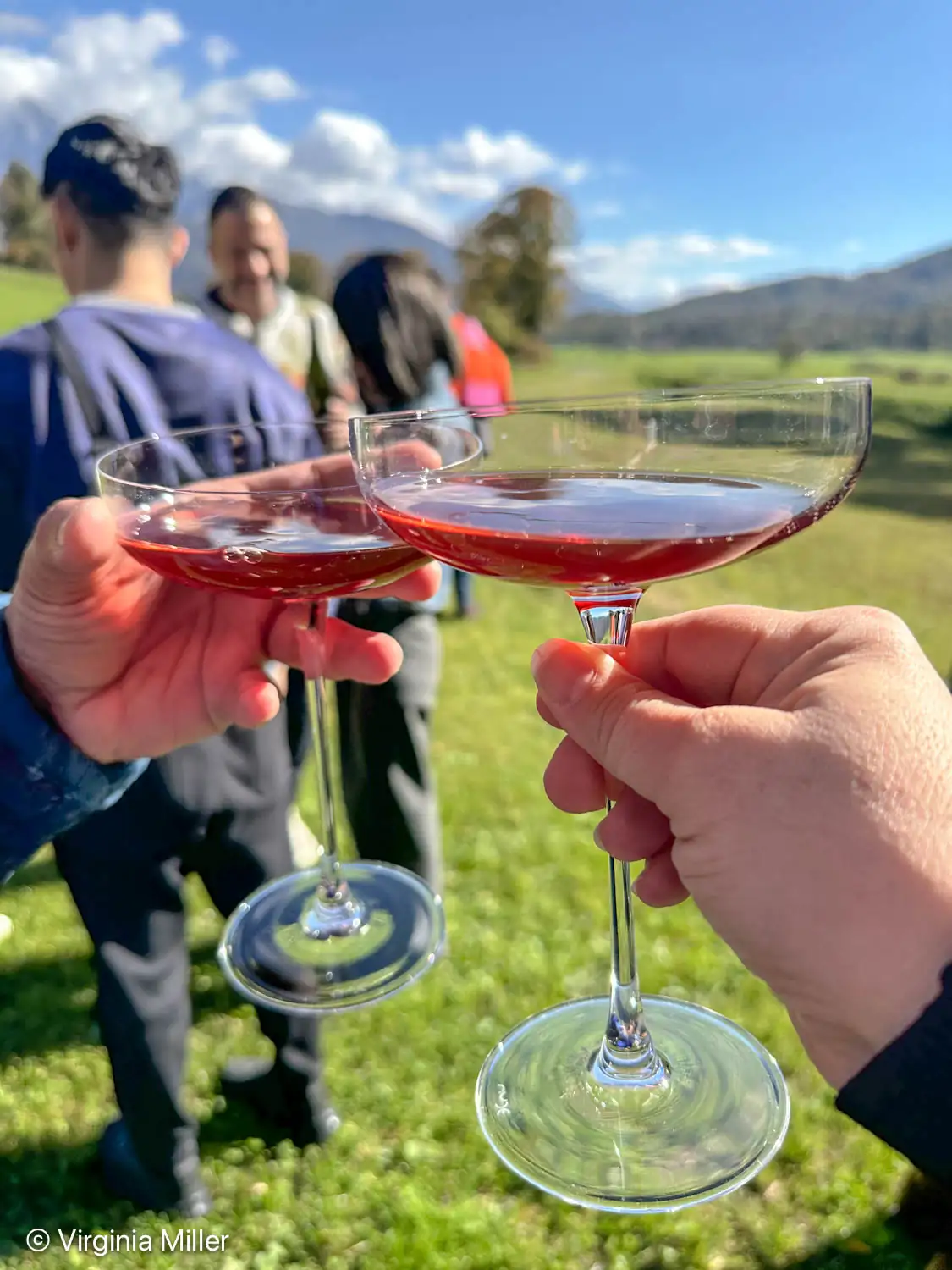
As is ever crucial to the best restaurants in the world, drink pairings were no slouch. My meal was paired with exquisite NA (non-alcoholic) drinks made with wild plants (example: a slightly milky, sparkling pet nat-esque pomegranate and Isabella grape juice kombucha with no added sweetness). I also tried a savvy pairing of biodynamic Slovenian wines, with gems lurking in the skin contact and white wine arena.
Standout Tastes
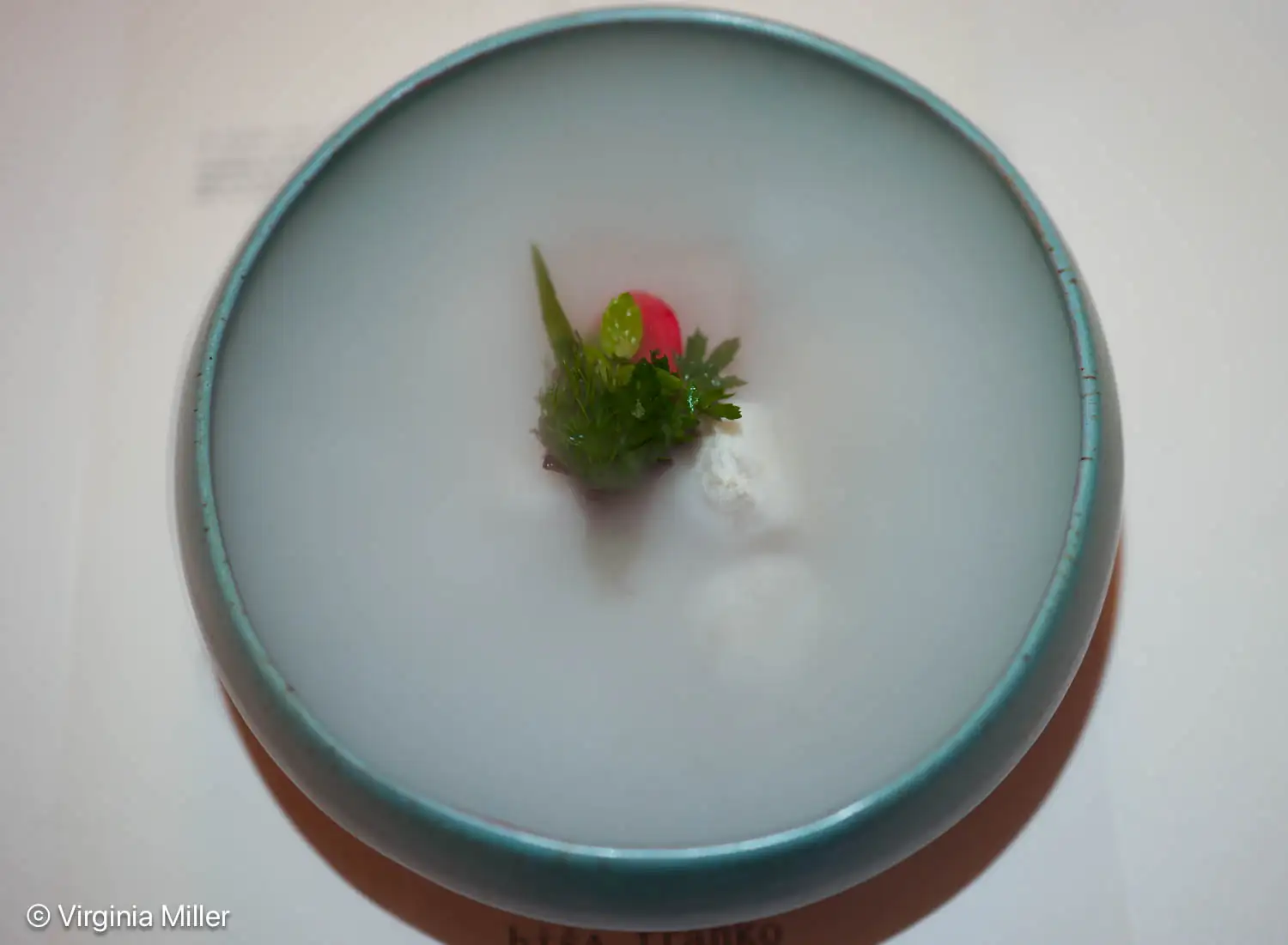
An amuse bouche of a little bouquet of herbs, flowers and leaves they picked from their garden that morning started things off, served in a bowl of smooth stones they picked in the river. Tableside, liquid nitrogen was poured over the bowl, representing morning fog and cold river water. We cleaned our fingers in the water and picked the rock we liked the best to take home as a memory of this sacred place.
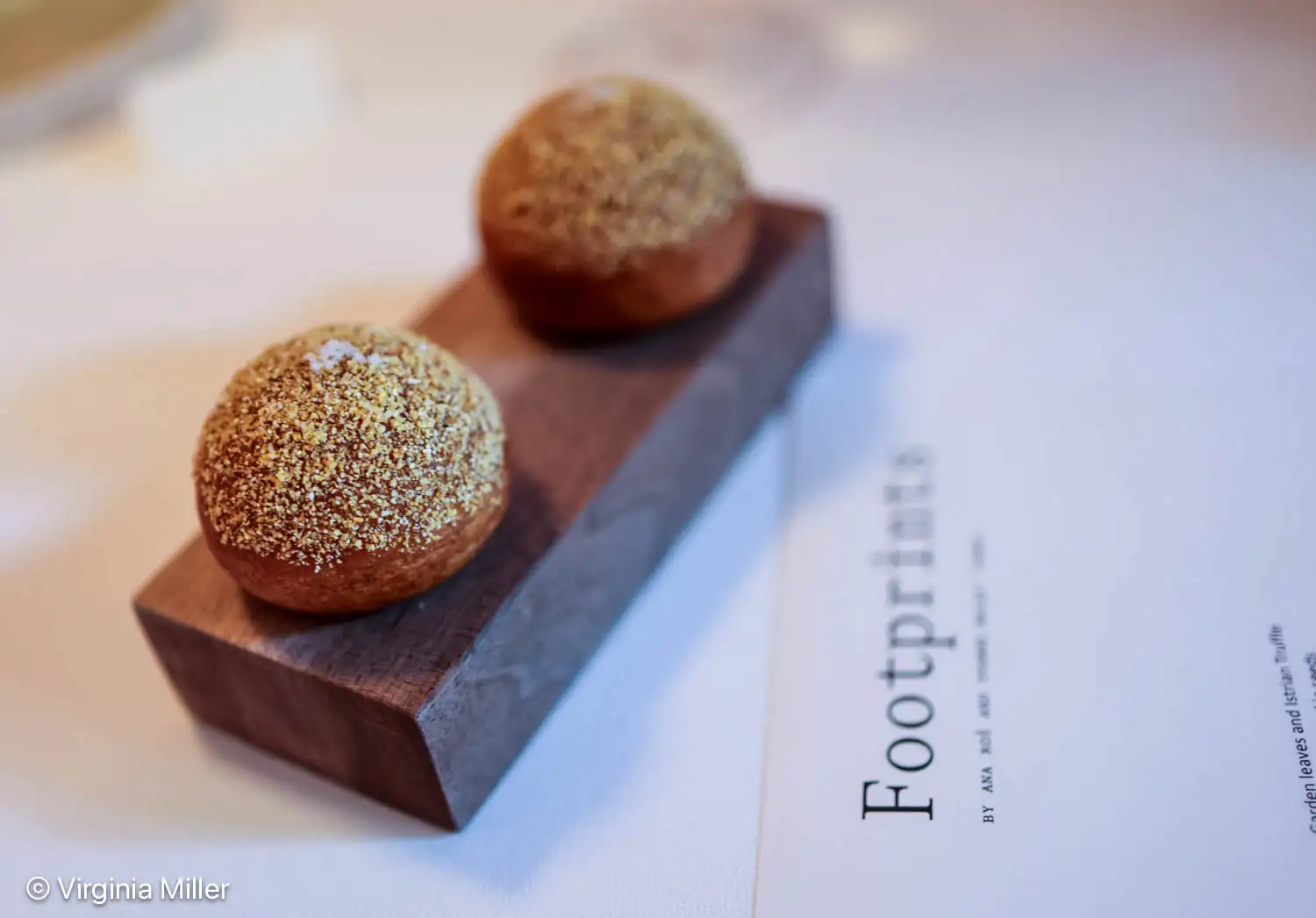
This poetic, spiritual beginning exemplified what lay ahead. Roš classics are beloved for a reason: a corn beignet filled with fermented cottage cheese was inspired by a traditional Slovenian Žganci, dotted with white chives, trout roe, baked corn and salt. Divine.
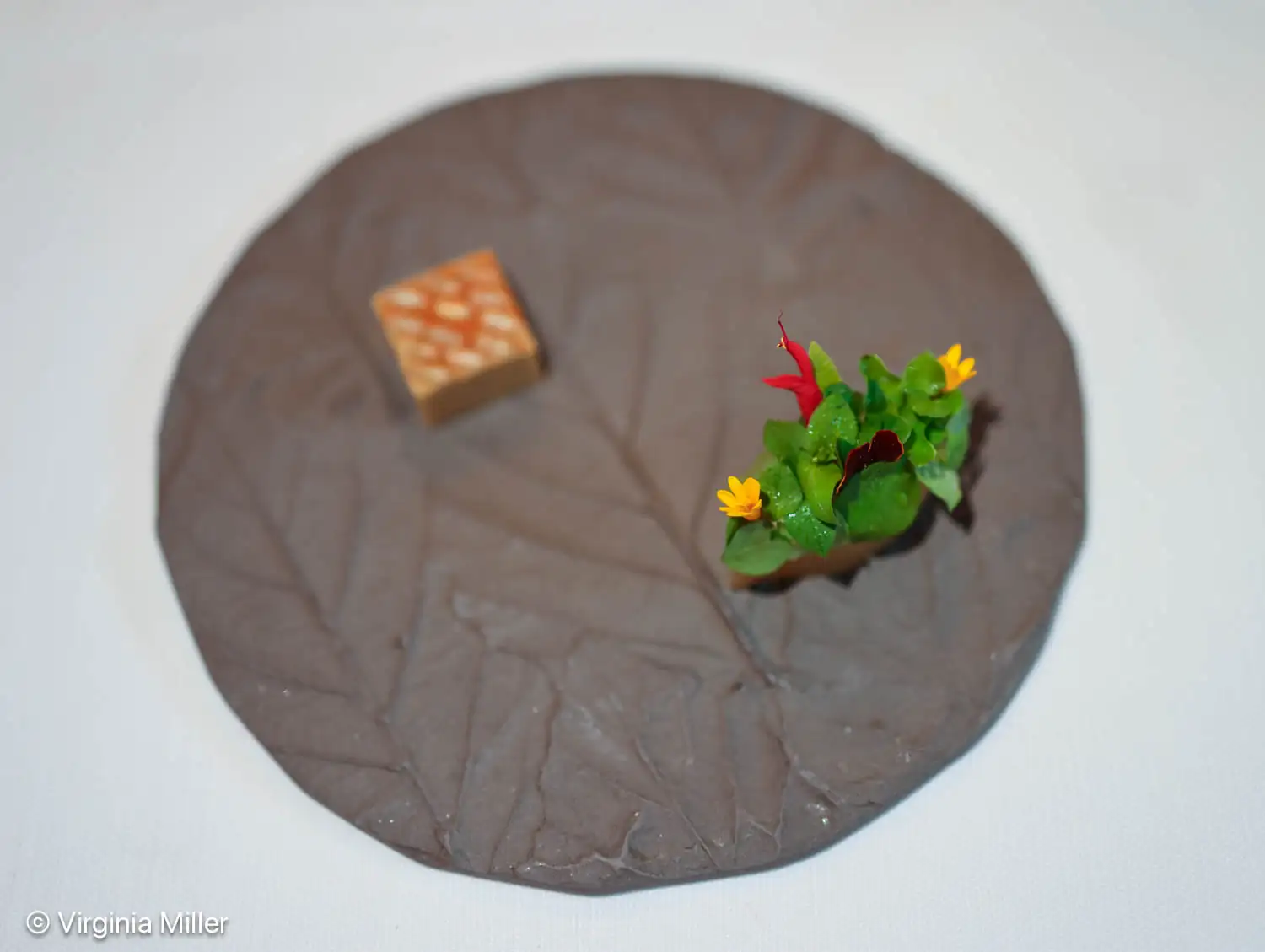
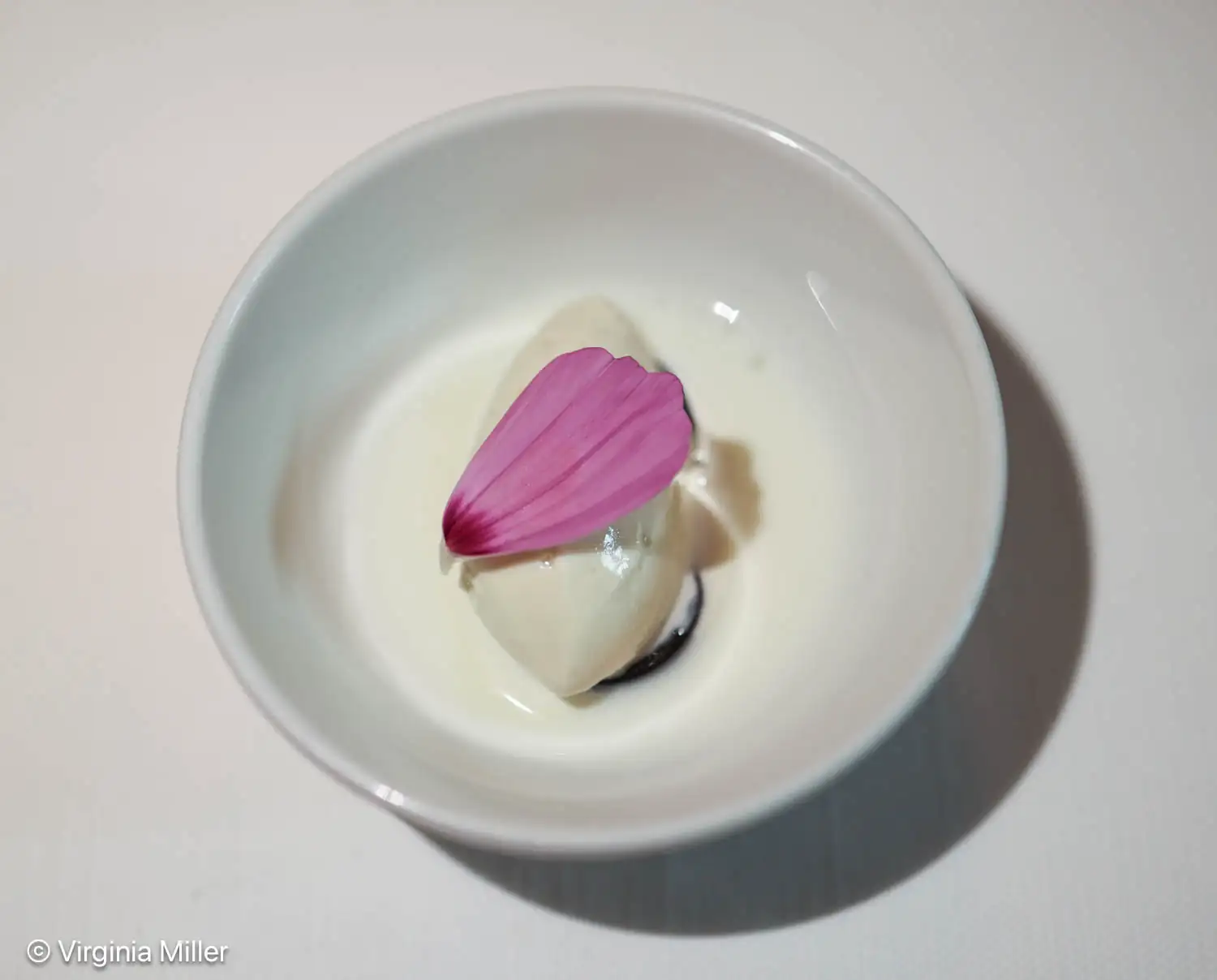
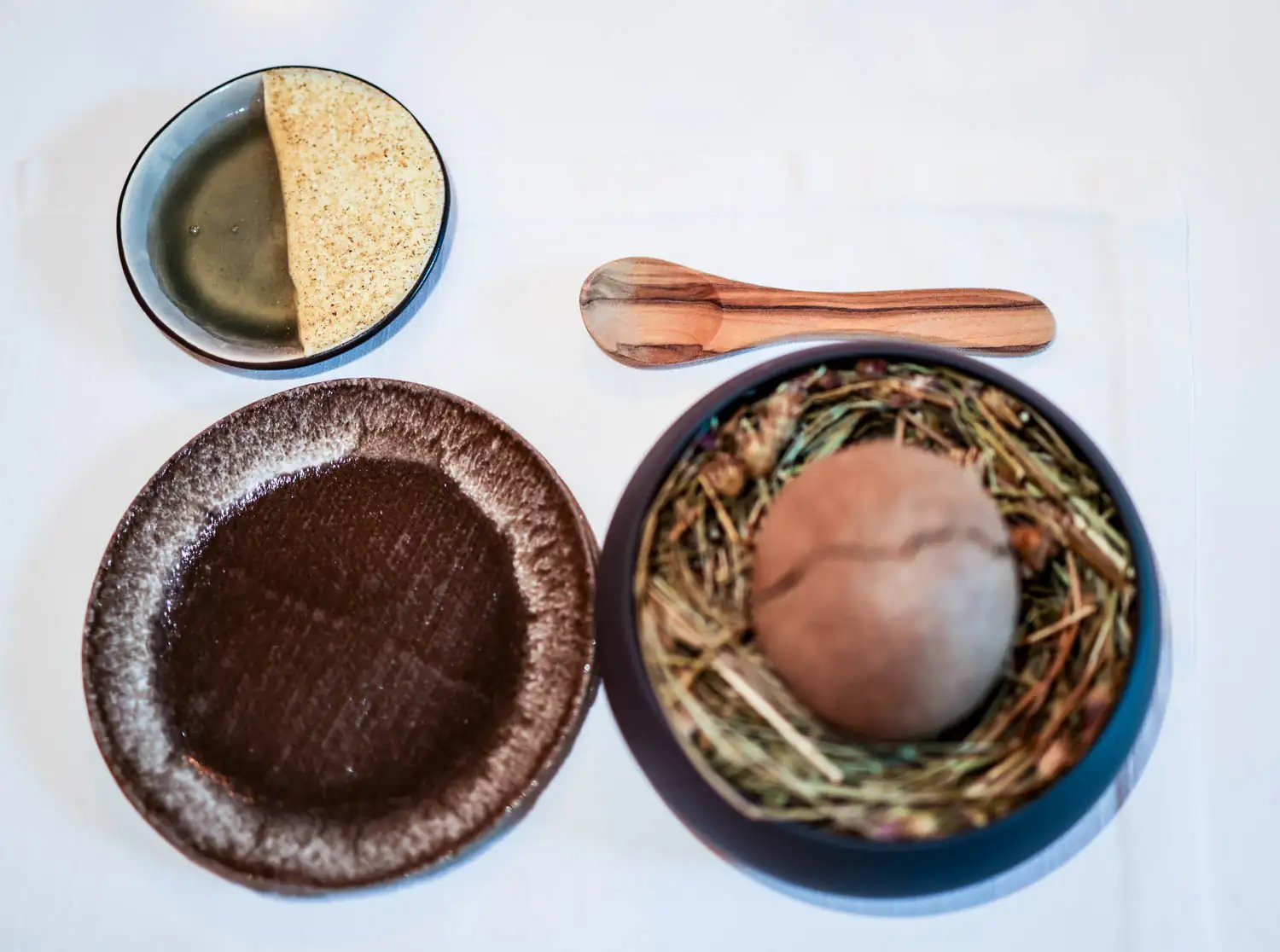
Likewise earthy and elemental — yet gourmet — is her signature potato baked in a sun-dried crust made out of salt, egg and hay. As you crack the crusted shell open, the lush baked potato is touched with fenugreek sour cream, toasted leek powder and linden honey.
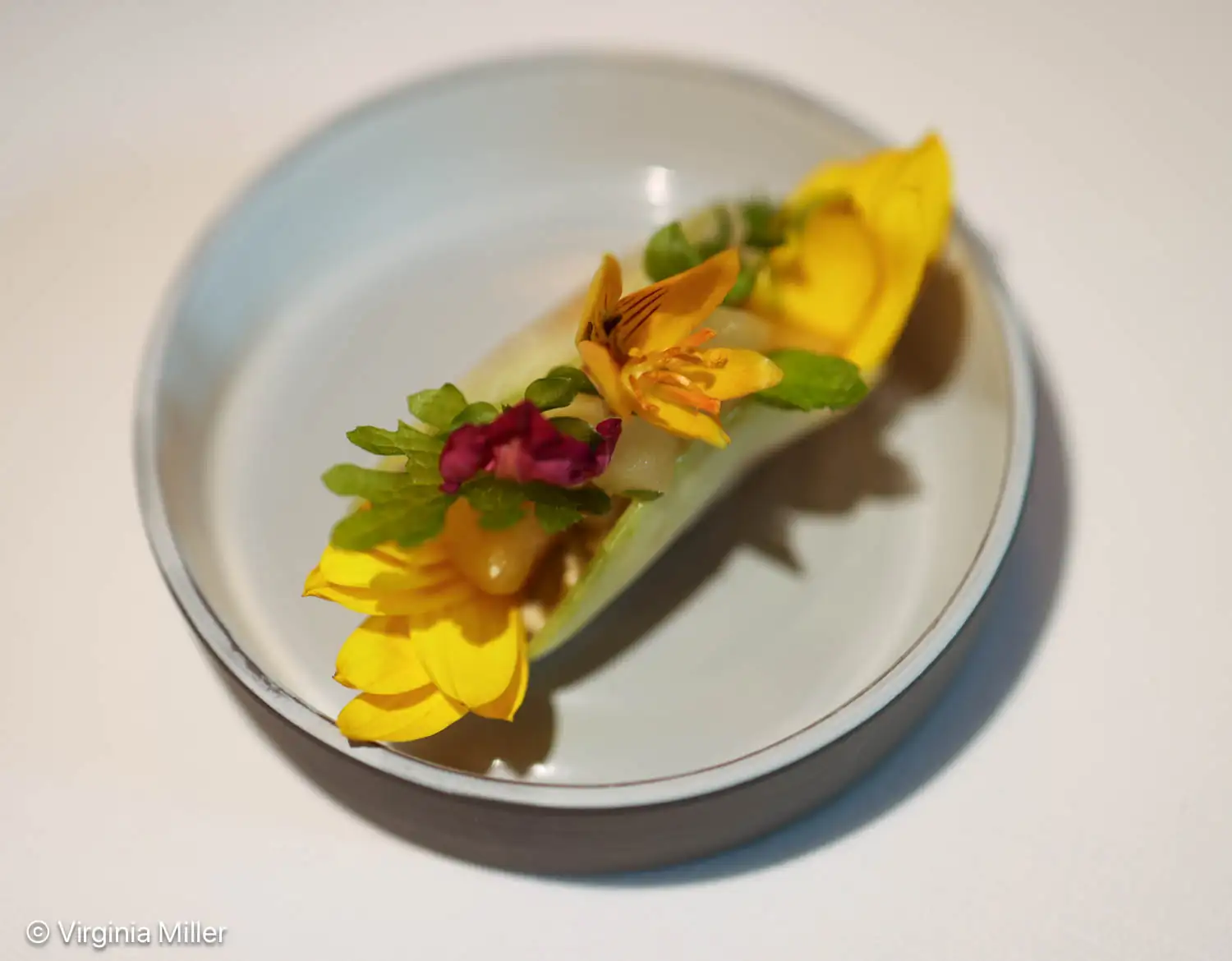
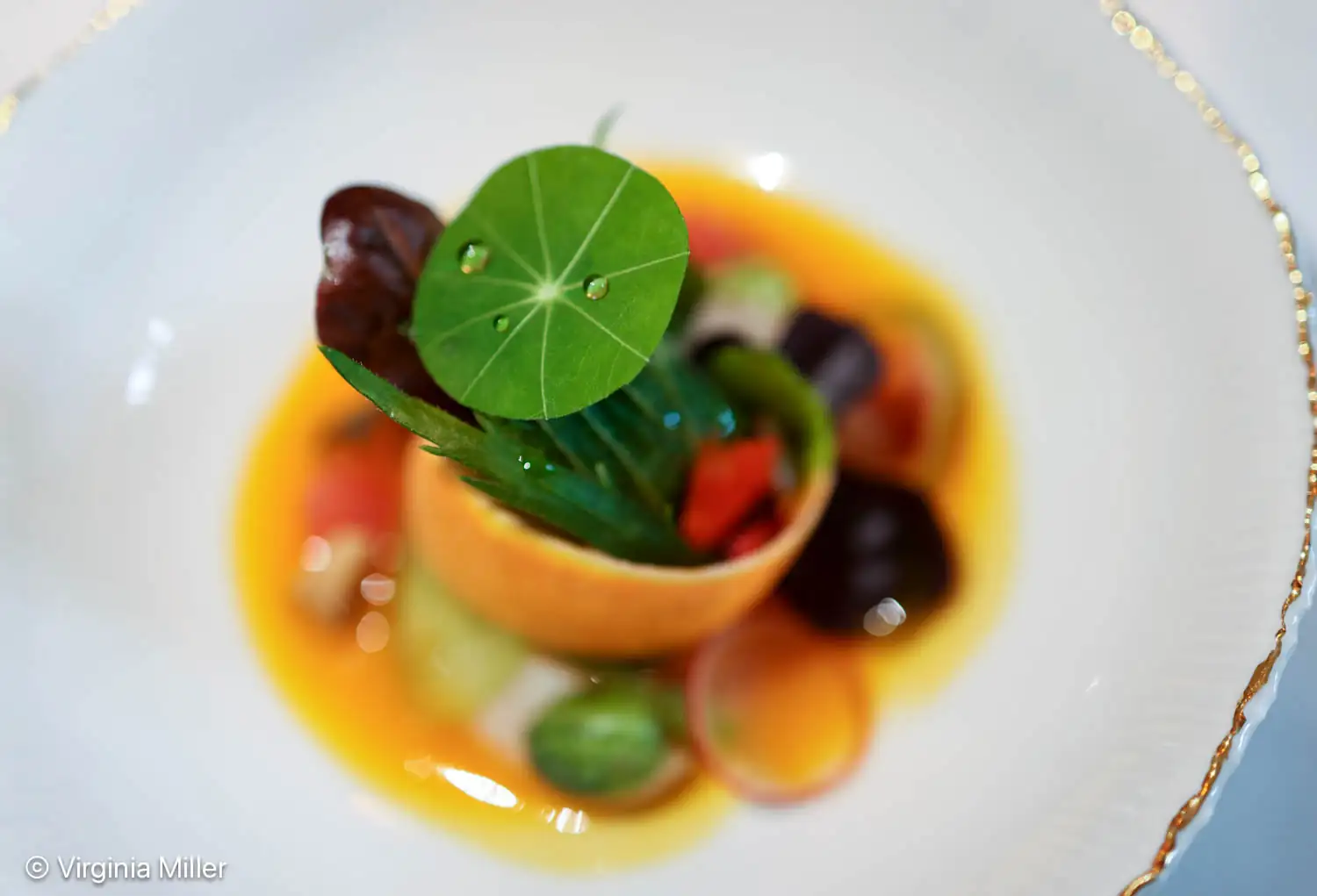
A bright, pickled contrast to these homey courses was a one-bite delight of pickled celeriac, calamari and toasted pumpkin seeds with watercress and fennel on top.
I was already popping off with internal ecstasies when the pasta and rice courses began to arrive. I’ve had the most mind-blowing, artful-yet-traditionally-crafted pastas from hundreds of the world’s best pasta chefs, most of them male at the fine dining level. As with also three Michelin chef Dominique Crenn in my own home city of San Francisco, there is a certain delicate poeticness to a dish I can only describe as feminine, even when coming from a male chef.
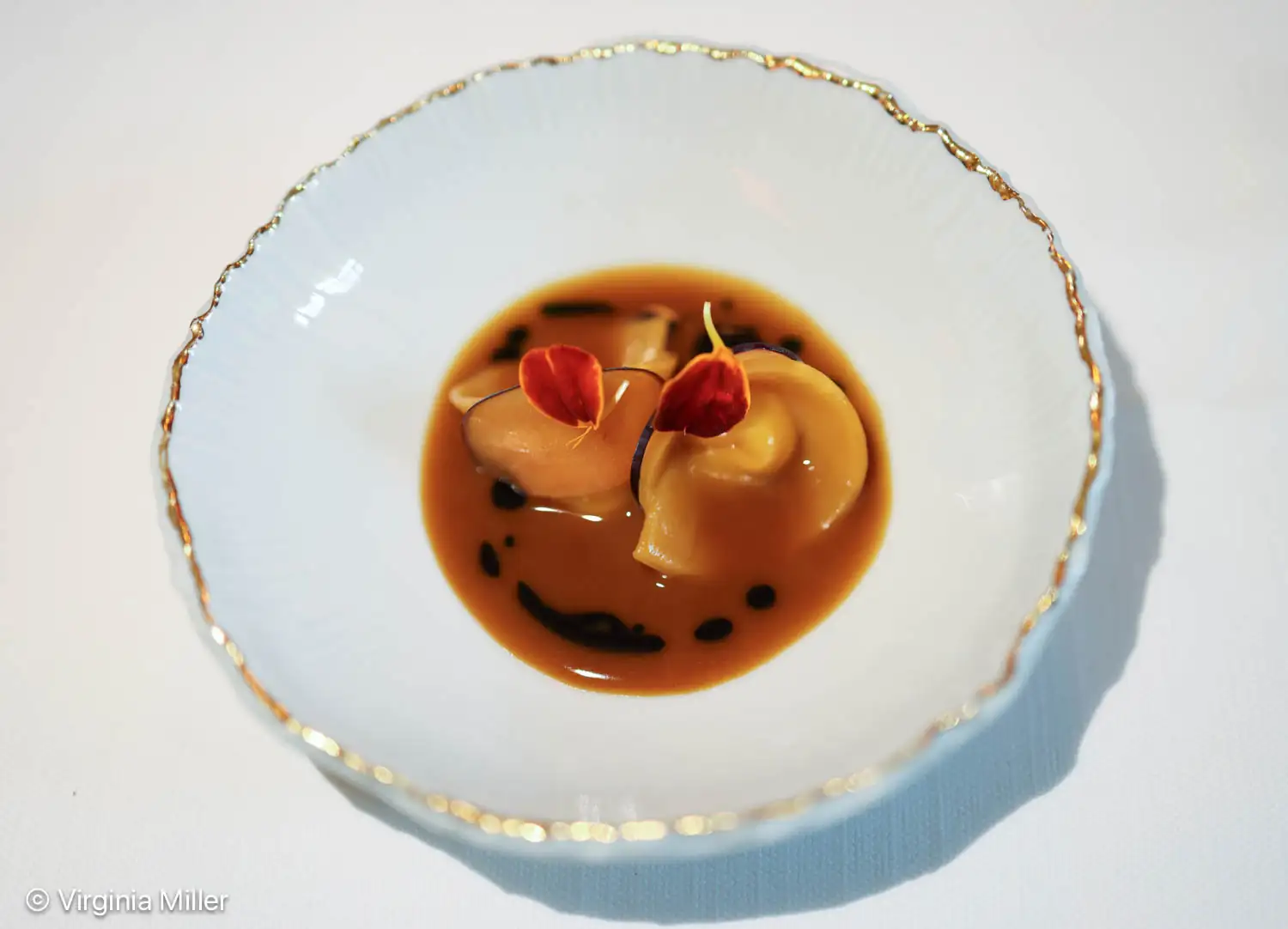
Roš’ pastas held just that energy: graceful, fine-tuned yet as nurturing as mother’s milk… expressive, passionate, yet restrained, measured. Yes, I’m still talking about food. Saffron tagliolini started it off. A shaving of Istrian white truffles over the pasta in season didn’t hurt, which Roš described as “the second most important truffle in the world after Alba… Sorry, France,” she humorously added after a pause.
Then a cappelletti filled with Saporito delle Valli cheese made from the milk of cows grazing the mountains outside. The sauce was complex with stone fruit pits, tonka bean and fig leaf oil. Roš explained as she set the dish down: “I decided I will cook things I like and I love pasta. We live on the Italian border. I am more than 50% Italian blood. I eat pasta once per day. I believe in fine dining we step away from gluten and it is so boring.”
Amen, Ana.
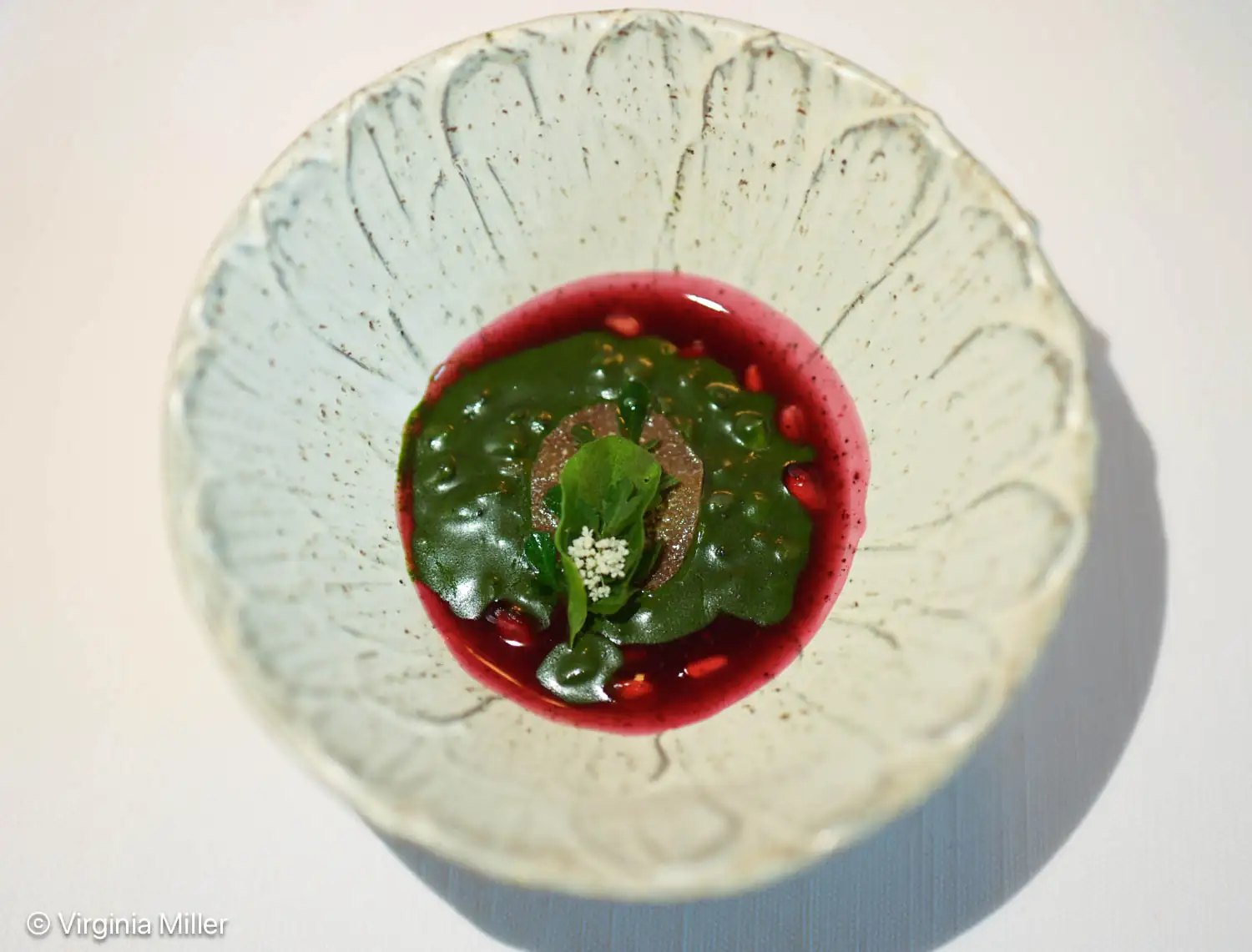
An orzotto (similar to risotto, but made with pearl barley instead of rice) arrived next, marked by seasonal herbs, fruits, all parts of the truffle and pomegranate sauce. Roš told us because of climate change, they are increasingly known for their olive oil regionally and don’t grow rice. Hence the choice of pearl barley, which has an airy, almost Israeli couscous-kind of lightness to it.
In Closing
I could go on, from two day-aged local trout (how I adore trout and aged fish!), to a roebuck deer dish. But then a year has passed and I can only dream of what Roš and her team are cooking up now. They also have a Tolminc cheese-aging program, celebrating the best of Slovenian cheese.
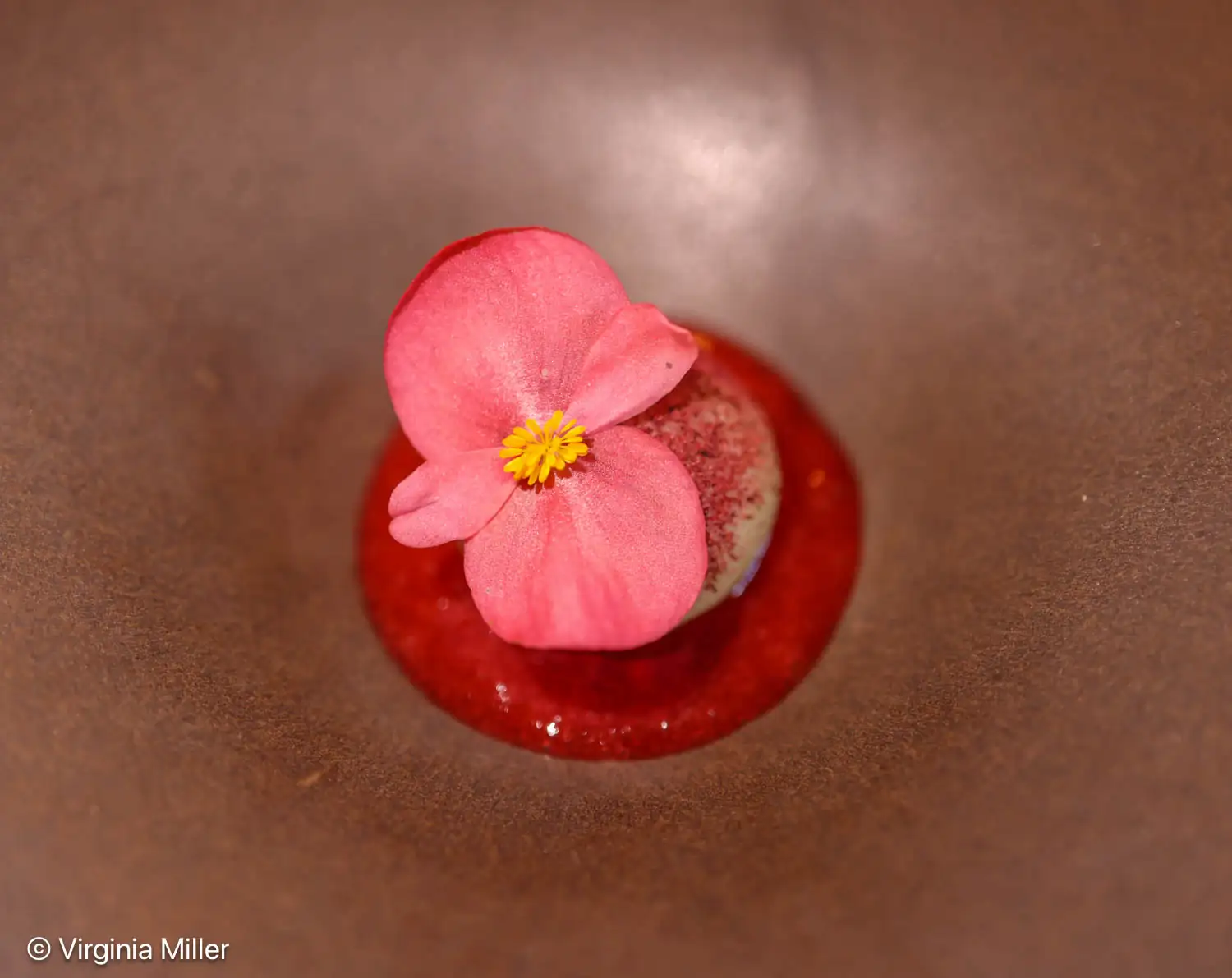
Dessert wrapped things up in that Eastern European ethos I crave so, exempliefied by perfect, fluffy potato dumpling marked with sour plum, alpine mountain cheese, white chocolate, caramelized onions, crunch from puffed buckwheat and a Begonia flower. It was quintessential Eastern Europe rustic comfort with sweet-savory vision, a lesson in how you do culinary artistry without losing heart.
Sometimes when I think of a perfect fall meal, as I do in my favorite season of the year, I think of Hiša Franko. And I fantasize about experiencing it in all seasons. Lucky you if you get to. Report back and I’ll try not to be (harmlessly) jealous.
Read the rest on Substack: Slovenia’s Gifts to the World: Hiša Franko